The Quiet Shortlist: How Angel Groups Decide Who Gets a Second Meeting After a 2026 Pitch Night
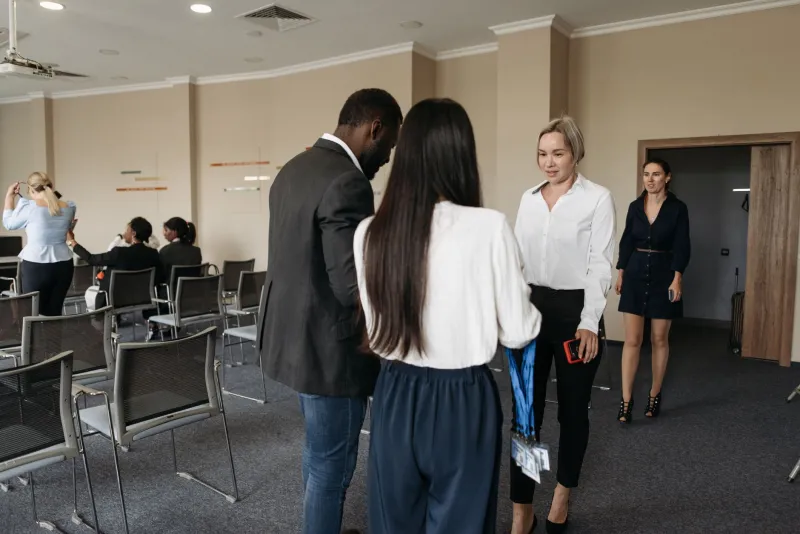
The pitch night ends with handshakes, business cards, and a predictable burst of optimism. Then the room empties. For founders, the important part of the evening has barely begun. Within days, an angel group’s deal leads, sector captains, and interested members will begin the less visible work of deciding who deserves a second meeting. The process is not a lottery, but it can feel like one from the outside.
That gap between perception and practice matters. Angel groups in the United States are volunteer-heavy, relationship-driven organizations. Their post-pitch triage is often thoughtful, but it is rarely documented in a way founders can see. The result is a room full of entrepreneurs trying to interpret silence, while investors try to manage enthusiasm without overcommitting. A clearer understanding of the quiet shortlist would help both sides.
The Room After the Room
Most pitch events end with a scorecard or a member-interest form. That form is only the first data point. In the days that follow, a group’s screening committee or deal lead typically reviews founder materials, member comments, and any diligence questions raised during the Q&A. Some groups use a simple threshold: a minimum number of member expressions of interest. Others rely on a sector lead to champion a company through the next stage. Many do both.
The decisive factor is rarely the loudest applause. It is whether one credible investor is willing to spend time on the company. Angel groups run on volunteered attention. A founder who earns a champion has a path. A founder who earns polite praise but no champion often does not, even if the pitch was strong.
Three Filters That Usually Decide
Although every group differs, three filters recur in post-pitch discussions.
First is thesis fit. A group may be sector-agnostic on paper, but its members have real preferences. A founder building a regulated health product may find that the group’s active investors are focused on consumer software. That is not a rejection of quality; it is a mismatch of attention.
Second is evidence that survives the Q&A. Investors often leave a pitch with one unresolved question. If the founder answers it clearly in the room or in a same-week follow-up, confidence rises. If the answer remains vague, the second meeting becomes harder to justify. The follow-up scramble is therefore not merely administrative. It is a test of how well the founder listens and responds.
Third is champion willingness. A deal lead may ask, in effect, “Who will own this?” If no member volunteers to read the data room, make introductions, or draft an investment memo, the company usually stalls. Founders should understand that investor interest is not the same as investor ownership of the next step.
Why the Process Feels Opaque
Angel groups have legitimate reasons for discretion. Members may have conflicting interests. Diligence is confidential. A group does not want to promise meetings it cannot deliver, and volunteer schedules are unpredictable. Silence often reflects capacity, not judgment.
Still, opacity has costs. Founders read meaning into every delay. They may send repeated emails, overinterpret a brief conversation at the refreshment table, or abandon a viable relationship because they misread a group’s timeline. Angel groups that publish even a rough post-pitch process—who reviews, when, and against what criteria—reduce unnecessary friction and improve the quality of follow-up they receive.
How Founders Can Read the Room
Founders should watch for behavior, not applause. The most useful signals are specific. Did an investor ask a diligence-style question about customer concentration, gross margin, or regulatory path? Did anyone stay after the formal program to continue the conversation? Did a member ask for access to a data room or introduce a colleague? These are stronger indicators than general compliments.
It also helps to distinguish curiosity from commitment. A question such as “How are you thinking about hiring?” may be friendly. A question such as “Can you send your cohort retention by channel?” is closer to diligence. Neither guarantees a second meeting, but the latter signals that someone is building an internal case.
The Follow-Up Scramble
When founders return home, the instinct is to email everyone. A more effective approach is selective and decision-useful. Send a concise note within two business days to the people who engaged substantively. Reference the specific question they asked. Attach a one-page update that answers it, not a full deck with no context. If a member requested materials, deliver them promptly and clearly.
Avoid mass emails that reveal the same message to every investor. Angel communities are small, and personalization matters. Also avoid asking for a yes or no immediately. A better request is a defined next step: “Would it be useful to send the retention data we discussed?” or “May I follow up with the group’s deal lead next week?” These questions respect the process while keeping the company visible.
Questions That Do Not Seem Pushy
Founders often want to ask, “Did I get a second meeting?” That question puts investors on the spot. A more productive version is process-oriented: “What is the typical timeline for the group’s review after a pitch?” or “Who coordinates follow-up for companies the group wants to explore further?” These questions are neutral, professional, and easy to answer.
Another useful question is: “What would the group need to see to move this to the next step?” It invites candor without demanding a verdict. If the answer is vague, that itself is information. It may mean the group has no standard next step, or that no champion has emerged yet.
A Case for Clearer Triage
Angel groups do not owe every founder a detailed debrief. But they could publish a short post-pitch protocol: the review window, the decision-maker, the minimum conditions for a follow-up, and the preferred way to submit additional materials. Such clarity would not eliminate rejection, but it would make the process more legible.
For founders, the lesson is to treat the second meeting as a separate stage, not a prize for the performance. The pitch earns attention. The follow-up earns the meeting. The quiet shortlist is built on evidence, fit, and the willingness of one investor to carry the conversation forward. Founders who understand that can spend the week after the event more wisely—and angel groups that explain it can build stronger relationships with the entrepreneurs they see.