Five Seconds to Stop, Thirty to Explain: A 2026 Guide to the Angel Showcase Floor
At a 2026 angel showcase, the formal pitch may last eight minutes. The demo table lasts three hours. Founders often prepare for the first and improvise the second. That is a mistake. The floor is not a smaller stage. It is a repeated, interrupt-driven conversation format in which investors arrive mid-thought, judge the table before they judge the deck, and decide in seconds whether to spend the next thirty.
For US early-stage founders, the showcase floor is also a diligence filter. Angel groups, family offices, and syndicate leads use these events to build a short list before they schedule calls. The founder who treats the table as a lightweight pitch station will lose to the founder who treats it as a compact diligence environment.
The Floor Rewards a Different Preparation
A stage pitch has a beginning, a middle, and an end. A table conversation has none of those guarantees. One visitor may be a sector specialist who has already read the founder's filing. The next may be a generalist who wandered over because the product looked useful. A third may be an associate sent to collect names for a partner meeting.
The founder's job is not to deliver the same monologue at every stop. It is to make the table legible from five feet away, then make the first thirty seconds useful regardless of where the conversation starts. That requires fewer assets than most founders bring and more discipline than most apply.
Design a Table That Invites a Question
A showcase table should answer three questions before anyone speaks: what is this, who is it for, and why now. Dense grids, crowded laptops, and six competing signs create visual noise. Investors scan. If the table requires study, they move on.
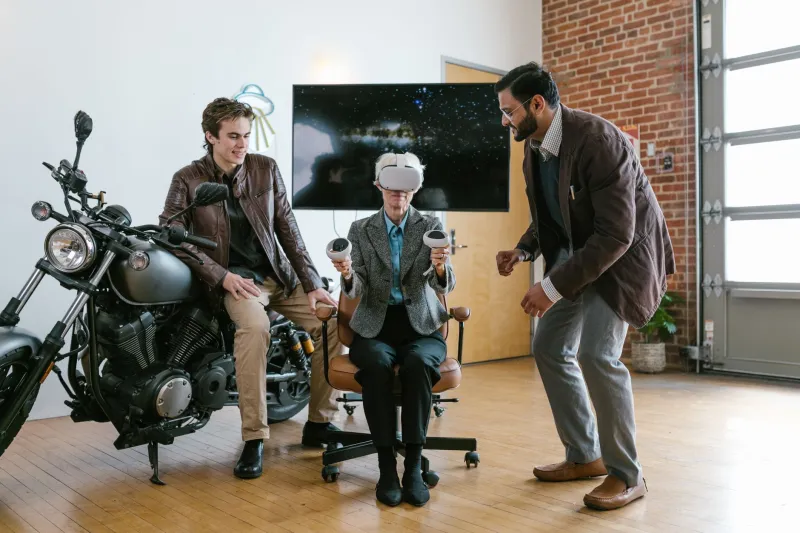
A single sentence at eye level is usually enough. A live product demonstration is stronger than a looping video, provided it works without a narrator. If the product is software, show one workflow rather than a dashboard tour. If the product is physical, place it where a visitor can touch it without asking permission. Leave open space at the front of the table. A barrier of laptops and brochures signals that the founder is broadcasting, not conversing.
Founders should also decide what not to display. Detailed financial projections belong in a follow-up, not on a poster. A cap table summary is not a conversation starter. The table's purpose is to earn a second conversation, not to complete diligence on the convention floor.
The Thirty-Second Context Reset
Every new visitor needs a reset. The founder should be able to deliver one in three parts: what the company does, what evidence exists that it matters, and what the founder wants to learn or discuss next. The order can vary, but the content should not.
A useful pattern is: We help a specific customer solve a specific problem. We have early evidence in the form of a pilot, a signed contract, or a repeatable sales motion. We are speaking with investors who understand this market and can support the next stage. That is not a slogan. It is a context reset that lets the investor choose the next question.
The founder should avoid restarting the stage pitch. Phrases such as as I mentioned or let me give you the full background waste the visitor's time. The visitor did not hear the earlier version. The founder should also avoid asking whether the investor has heard of the company. The answer is usually no, and the question shifts attention to the investor's memory rather than the company's evidence.
Capture Follow-Up Without Building a Clipboard Trap
A clipboard creates a transaction. The visitor must decide whether to share contact information before deciding whether the company is interesting. That order is backwards. The founder should earn interest first, then offer a low-friction way to continue.
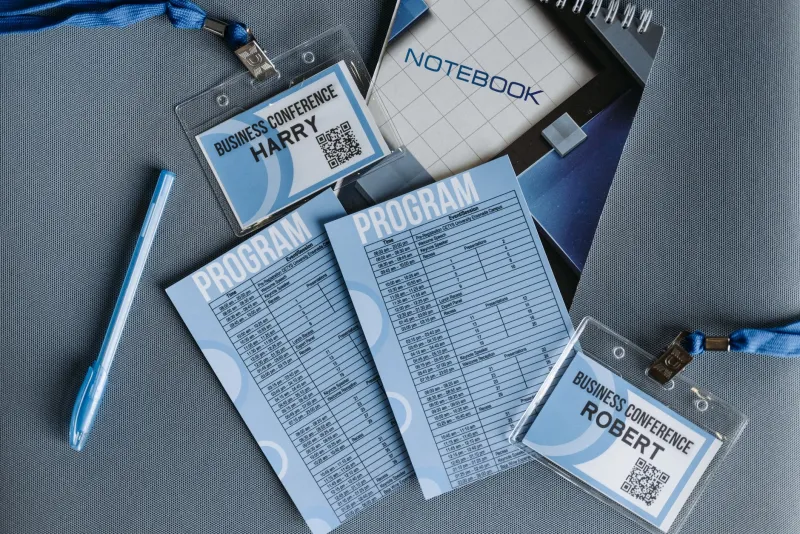
A short QR code leading to a one-page summary and a calendar link is usually sufficient. The form should ask for name, email, and one optional question. It should not ask for fund size, investment thesis, or a preferred check size at the table. Those details belong in a conversation, not a gate.
Founders should also capture one detail immediately after each meaningful conversation. A note such as interested in Midwest distribution partners or wants to see retention by cohort is more valuable than a badge scan. If the founder waits until the end of the day, the details blur. A simple spreadsheet with columns for name, organization, topic, and next step is enough.
Qualify Gently, Then Move On
The floor is not the place for a full qualification call. It is the place to identify whether a follow-up is worth scheduling. Three questions can help without turning the table into an intake desk: what kinds of companies the investor typically backs, what stage fits their current activity, and whether they prefer to review a deck or a data room first.
Founders should listen for fit rather than force it. An investor who focuses on seed-stage software may not be the right contact for a capital-intensive hardware company, even if the conversation is pleasant. A polite next step is to ask whether there is someone in their network better suited to the sector. That preserves goodwill and creates a warmer path than a generic follow-up email.
Turn Floor Traffic Into Warm Diligence
The value of a showcase is not the number of conversations. It is the number of conversations that continue with context. Founders should send a same-day note to each meaningful contact. The note should reference the specific topic discussed, attach the one-page summary, and offer two concrete times for a short call. It should not send a full deck to everyone. A deck is a diligence asset, not a floor handout.
A second touch three to five days later can include a relevant update, such as a new pilot result or a customer reference. That touch should be useful, not merely persistent. Investors remember founders who continue the conversation with evidence rather than reminders.
Measure the Floor Differently
Badge scans are a poor metric. A founder can leave a showcase with two hundred scans and no diligence. A better scorecard counts meaningful conversations, follow-up requests, scheduled calls, and introductions to other investors. Those numbers tell the founder whether the table design, the context reset, and the follow-up process are working.
The demo table is not a pitch. It is a repeated test of clarity under interruption. In 2026, with US angel groups packing more investors into fewer events, the founders who succeed on the floor will be those who make the table easy to approach, the explanation easy to absorb, and the next step easy to take.